

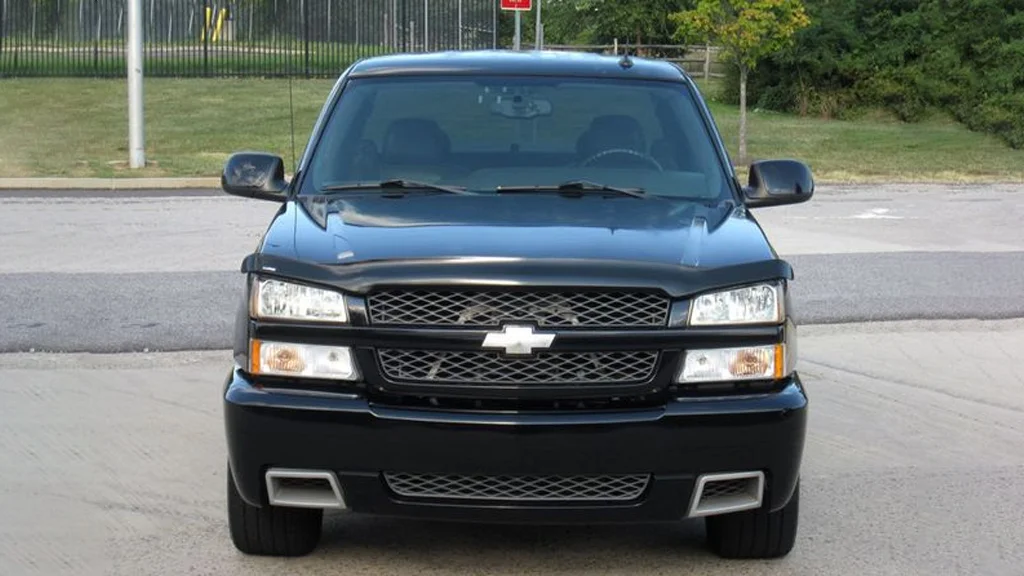
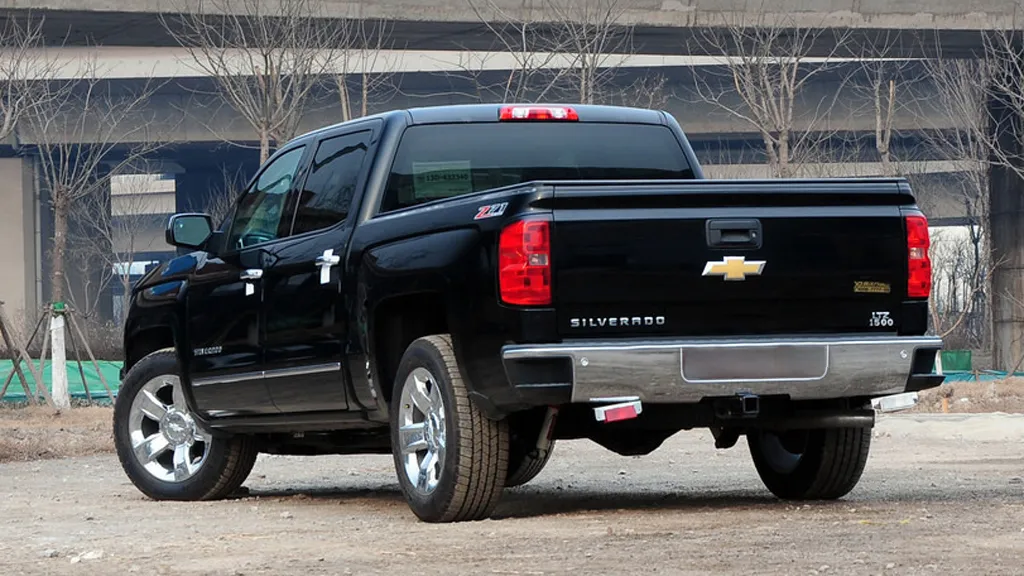
Picture this: you’re 16 years old. You’ve worked hard and saved up $5,000. Sitting in your driveway is a 2004 Chevrolet Silverado with 216,000 miles on the clock. You know how to change the oil and a tire, but beyond that, the world of wrenches and wiring is a mystery. Do you pour your savings into this aging legend, or do you invest it in something newer?
This was the exact dilemma a young truck owner recently posed to the online community. The flood of responses revealed a deep divide in car culture: the pragmatists versus the passionate. More importantly, it highlighted the incredible legacy of a specific era of American trucks—the GMT800 platform, which includes the beloved 1999-2006 “Cateye” Silverados.
The Heart of the Debate: A Truck with a Complicated Reputation
The 2004 Silverado sits in an interesting spot. On one hand, data from aggregated owner complaints often places the 2003-2007 model years on “worst year” lists, citing issues like rough idling, stalling, and various electrical gremlins. Yet, in the realm of real-world, long-term ownership, these trucks have developed a cult-like following for their durability.
The Reddit community’s response was overwhelmingly in favor of keeping the truck. Why? The consensus is clear: the 5.3L Vortec V8 engine in these trucks is famously robust. As one commenter put it, “The 5.3 will run forever with good maintenance habits.” Another chimed in, “Those ‘cat-eye’ Chevys… are some of the best trucks ever.” This sentiment was echoed dozens of times, with owners boasting of 250k, 300k, and even 400k-mile examples still going strong.
The debate isn’t about if the truck can last; it’s about what it will take to get it there and whether that’s the best use of a $5,000 nest egg.
Weighing Your Options: The Keep vs. Replace Breakdown
Here’s a look at the two paths, distilled from the community’s advice and expert insights.
Path A: Fix & Keep the Silverado:
Core Argument: Invest in a known entity with a legendary drivetrain and simple mechanics.
Best For…: Learning mechanics, wanting a truck for utility, and valuing character over comfort.
Financial Outlook: High initial repair/maint. investment; potentially lower long-term costs if major issues are addressed.
The Reality Check: Major failure (engine, transmission) could consume most of your budget. A full “fix-up” is a marathon.
Path B: Sell & Buy a Different Car
Core Argument: Invest in a platform with a higher statistical likelihood of trouble-free miles.
Best For…: Prioritizing daily reliability, lower fuel costs, and modern(ish) features.
Financial Outlook: $5k becomes full purchase budget; lower immediate repair costs but involves unknown history.
The Reality Check: In today’s market, a $5,000 car is high-mileage and will still need a repair fund
If You Keep It: A Beginner’s Roadmap to a Reliable Truck
The community offered a masterclass in responsible ownership. The advice wasn’t about adding lift kits and flashy wheels, but about systematic, preventative care.
- The Non-Negotiable Foundation: Fluids and Inspection**
The unanimous first step is a full mechanical review. As advised, “If you just bought vehicle, assume nothing has been done.” This means changing every fluid: engine oil, transmission, coolant, brake, power steering, and differentials. It also means a thorough inspection of belts, hoses, brake pads, and suspension components for wear.
- The Famous Weak Point: The 4L60E Transmission**
The automatic transmission is the Achilles’ heel of these trucks. The number one mechanical recommendation was to **save for a transmission rebuild if it hasn’t been done. Proactive upgrades like adding an auxiliary transmission cooler were highly recommended to extend its life.
- Smart, Budget-Friendly “Fix-Up” Ideas**
The community encouraged affordable upgrades that enhance reliability and enjoyment:
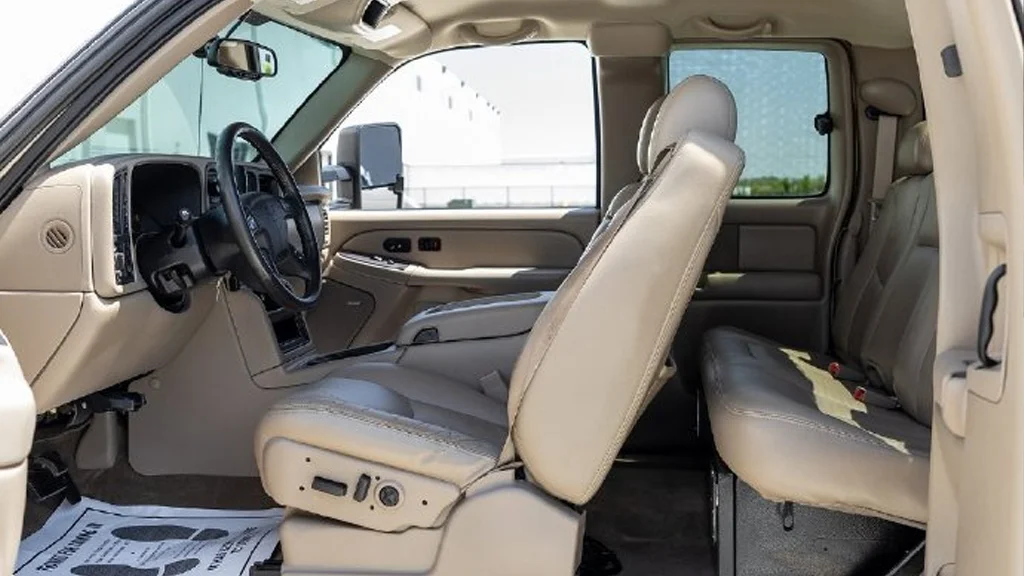
- Interior Refresh: Fixing a sagging headliner or worn driver’s seat cushion were cited as cheap, DIY-friendly projects that make the cab feel new.
- Tech Update: Installing a modern stereo with Apple CarPlay/Android Auto was a popular suggestion for adding comfort without breaking the bank.
- Focus on Service, Not Just Parts: The wisdom was clear: “Keep it reliable. Keep working on your savings.” The goal is a dependable daily driver, not a show truck.
If You Sell It: Navigating the $5,000 Car Market
If the potential for significant repairs is too daunting, your $5,000 can buy a very reliable car—just likely not a truck. The used car market at this price point is dominated by compact sedans known for efficiency and longevity.
- Top Candidates: Vehicles like the Honda Civic and Toyota Corolla are perennial favorites for their legendary reliability, excellent fuel economy, and low maintenance costs.
- How to Shop: Whether buying from a private seller or a dealership, due diligence is key. Always get a vehicle history report, have the car inspected by an independent mechanic, and take a thorough test drive. Your $5,000 must also include a buffer for immediate repairs, taxes, and registration.
The Verdict: More Than Just a Truck
The most poignant advice cut to the heart of the matter: “I have now spent way more money… hopping to cars I don’t like as much… I can 100% say it was way more worth it to fix and keep the ones I liked.”
For a 16-year-old, this truck is more than transportation. It’s a passport to learning invaluable skills, a connection to a passionate community (with members even offering to help fix it), and a tangible piece of automotive history. While a Civic might be the “smarter” financial choice on paper, it won’t teach you about torque, towing, or the satisfaction of keeping an American classic on the road.
The final recommendation from the crowd? Invest a portion of your savings—perhaps $1,000-$1,500—into making the Silverado mechanically sound and safe. Change all the fluids, address any critical wear items, and service the transmission. This builds your skills, secures your ride, and preserves the majority of your savings for future emergencies or opportunities. The $5,000 isn’t just for a car; it’s the foundation of your financial independence. Use it wisely.
In the end, the choice is deeply personal. But as the online community proved, if you choose the path of the Cateye, you won’t be traveling it alone.