


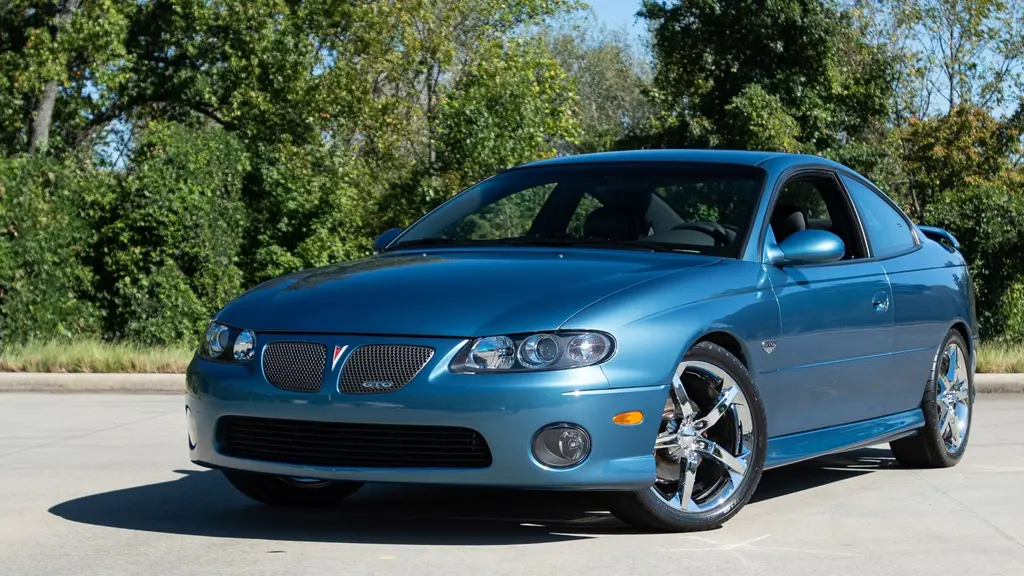
Let’s talk about Pontiac. More specifically, let’s talk about the 2004 GTO—you know, the one that looked kind of like a beefed-up Grand Am and made purists mad because it didn’t have those classic GTO looks.
I still think it’s my favorite car I’ve ever owned.
Yeah, I know it was basically a Holden Monaro from Australia with a Pontiac badge. A “captive import,” they call it. But after owning three Nissans before it, that GTO was my first taste of an American-style V8, a solid chassis, and an interior that didn’t feel cheap. It just had this presence.
Life happened, and I had to sell it. But that car left a mark on me. Without it, I probably wouldn’t have moved into a Mustang later, or even looked twice at cars like the Camaro or Corvette.
Turns out, I’m not alone.
The Underrated Hero of the Early 2000s
If you go digging in car forums, you’ll find a quiet fan club for the 2004–2006 GTO. Most owners who actually drove them loved them. The seats were famously comfortable, the IRS handled great, and that LS V8 pulled hard. In a straight line, it walked Mustang GTs of the same era.
So why didn’t it sell better?
Two big reasons: looks and price.
When it came out, retro styling was huge. Think the new Charger and Challenger. People wanted a GTO that looked like the old one. The 2004 model… didn’t. It looked like a bigger, rounded Pontiac sedan. Some said it looked like an oversized Grand Am or a bloated Cavalier. Harsh, but that was the criticism.
Also, it was priced about $5,000 more than a Mustang GT at launch. That turned a lot of people off at the showroom. Later, dealers discounted them heavily to move them—I’ve heard stories of people picking up brand-new ‘04 models for under $20k—but by then, the hype train had left the station.
“It Was Just a Trim Level!”
Here’s a funny debate you’ll see online: Was the GTO ever really its own model?
Some will tell you that even the classic ‘60s GTOs were just fancy trim packages on the Pontiac LeMans. Others fire back that by 1966, it had its own VIN code and was considered a separate model.
The 2004 version? In Australia, the GTO was a trim level of the Monaro. In the U.S., it was sold as its own model—but really, it was a badge-engineered special. That kind of thing was Pontiac’s blessing and curse for years.
Why Pontiac Died – And What It Could Have Been
Pontiac was supposed to be GM’s performance brand. But it was never allowed to outshine Chevrolet. So it often got rebadged versions of Chevy cars (looking at you, G5/Cobalt and G3/Aveo) with a little more plastic cladding.
By the 2000s, Pontiac was finally finding its groove again. The GTO was a legit performance car. The G8 sedan (another Holden in disguise) was brilliant. There were even plans to make Pontiac fully rear-wheel-drive.
Then the 2008 financial crisis hit. As part of the government-backed restructuring, GM had to cut brands. Buick stayed because it sold like crazy in China. Chevy, Cadillac, and GMC survived. Pontiac didn’t make the cut.
It’s a shame. If Pontiac had lived, many think it could have been GM’s answer to Dodge—a full-on performance brand with muscle cars, hot SUVs, and aggressive styling.
The Nostalgia Is Real
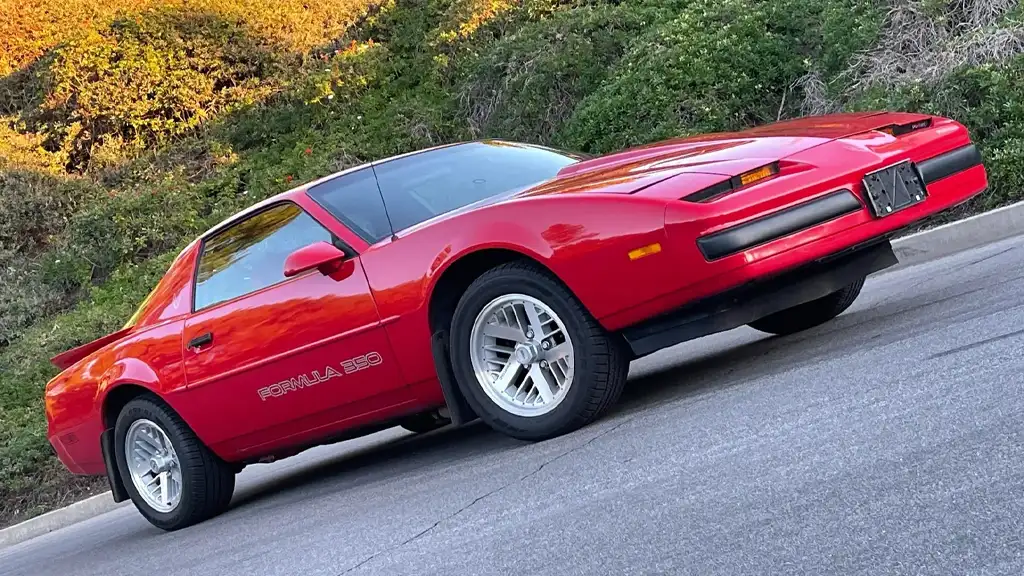
Reading through owners’ stories, you feel the affection. People remember their Sunfires, Grand Ams, and Firebirds with a weird fondness, even when they acknowledge the problems.
One guy talked about his ‘95 Sunfire—how he learned to wrench on it with his dad, replacing exhausts, alternators, even bending brake lines. He also admitted it was a death trap by modern standards. But he missed the raw, connected feeling through the steering wheel.
Another remembered the thrill of his ‘04 GTO drifting in the rain. Someone else praised the Fiero, right as it was getting good. There’s a pattern: Pontiac often made interesting cars that were killed just as they were hitting their stride.
So, What’s the Takeaway?
The 2004 GTO is a symbol of what Pontiac was and what it could have been. It was a really good car that got overlooked because it didn’t wear the right costume and cost a bit too much at the wrong time.
For those who owned one, it’s a beloved memory—a gateway into V8s, rear-wheel drive, and performance driving. For Pontiac, it was one last glimpse of brilliance before the lights went out.
Maybe that’s why we still talk about it. Not because it was perfect, but because it was special. And in the end, that’s what makes a car legendary—not the badge on the grill, but the mark it leaves on you.
Ever own a Pontiac? What was your experience? Let me know in the comments.