
Even though production ended in 2020, the Impala is one of those nameplates that sticks with you—like an old friend you still think about from time to time.
The Chevrolet Impala is a full-size sedan that first hit the streets in 1958. We’re talking about a car that’s been around for over six decades—through muscle car eras, oil crises, minivan mania, and the rise of SUVs. It adapted, survived, and kept showing up in driveways across America.
It wasn’t just a car. It was the car. The one that hauled the kids, survived the commutes, and quietly rolled past 200,000 miles without complaining.
It’s big. It’s comfortable. And it’s unapologetically American. Think spacious back seats, a trunk that could swallow luggage for a week-long road trip, and a ride that glides over highway pavement like it was built for exactly that.
Because honestly? It was.
Why Do People Love This Car So Much?
If you dig into owner reviews—and I spent way too long doing exactly that—you’ll notice some themes popping up again and again. Here’s what real Impala owners actually say.
1. It Just Won’t Die (If You Treat It Right)
This is the big one. The Impala has a reputation for longevity that borders on legendary. Owners regularly report hitting 200,000 miles and beyond. One guy mentioned his 2013 Impala LTZ rolled past 281,000 miles on the original engine. That’s not luck. That’s engineering.
The secret? That 3.8-liter V6 engine—especially in late ’90s and early 2000s models—has a cult following for a reason. It’s simple, it’s tough, and it just keeps going. Data backs this up: the Impala has an average lifespan of about 135,000 miles, with over 11 percent reaching 200,000 miles.
2. It’s Genuinely Comfortable
You know how some cars feel great for the first hour, then punish you by hour three? The Impala isn’t like that. Owners consistently praise the seats, the legroom, and the quiet cabin. It’s the kind of car you could drive to Florida without stopping to stretch every 90 minutes.
One owner put it simply: “Plenty of legroom, smooth ride, and the leather interior exceeded my expectations.”
3. Decent Gas Mileage for a Big Car
Nobody buys a full-size sedan expecting hybrid numbers. But later Impalas—especially those with the 3.6-liter V6—can push 30 miles per gallon on the highway. That’s genuinely impressive for something this size.
4. It’s a Highway Cruiser
Multiple owners mention how quiet and stable the Impala feels at 70, 80, even 90 miles an hour. It isolates you from the road. You arrive at your destination feeling fresh instead of beaten up.
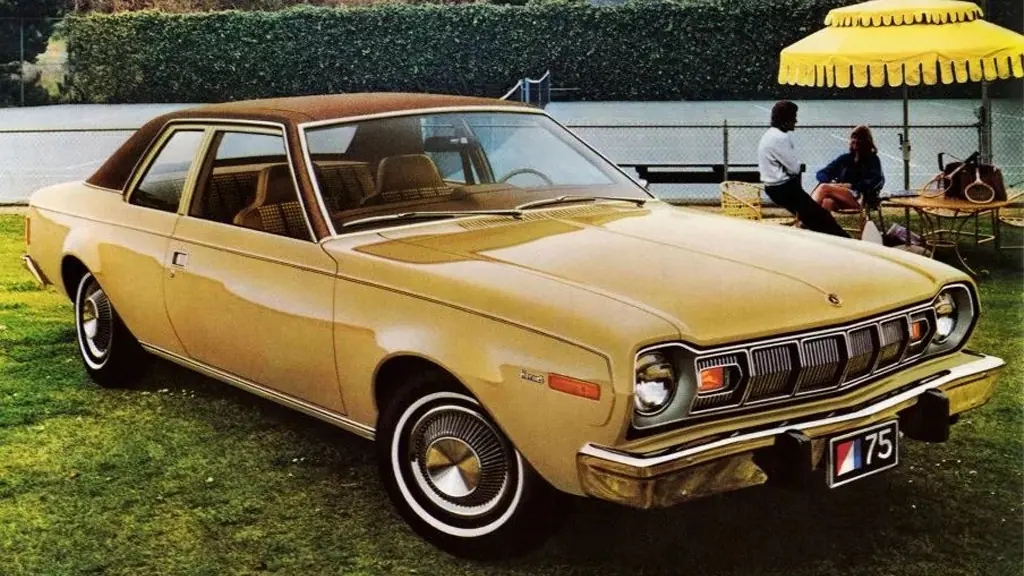
Oh, and Here’s Something You Might Not Know
Here’s a cool piece of trivia: the Impala has spent decades as the officially designated vehicle for all sorts of government and law enforcement agencies. We’re talking police departments, sheriff’s offices, government fleets—the works.
The Philadelphia Police Department ran Impalas for years and called them a “home run,” especially in snow. The NYPD? Same deal. And it wasn’t just cops. Pharmaceutical sales reps, corporate fleets, rental agencies—they all leaned on the Impala because it was reliable, spacious, and didn’t complain about racking up miles.
At one point, over 70 percent of Impala sales were going to fleet customers. That’s a mind-blowing number when you think about it. For a while there, the Impala you saw on the road was more likely to be a rental car or a detective’s unmarked cruiser than someone’s personal ride.
GM even kept producing the previous-generation Impala (called the “Impala Limited”) alongside the newer model just to keep fleet customers happy. That’s how important this car was to the people who buy vehicles by the dozens.
So when you see an Impala, you’re not just looking at a family sedan. You’re looking at a car that governments trusted, police departments depended on, and rental fleets built their inventories around. That’s a pretty solid resume.
But Let’s Keep It Real: It’s Not Perfect
Look, no car is. And the Impala has a few quirks you should know about.
Electrical Gremlins: Some owners report issues with window motors, door lock actuators, and climate control knobs. One guy mentioned replacing his air conditioning control discs four times. It’s not every car, but it’s a known thing.
Transmission Troubles: Certain model years—especially around 2006—have a reputation for transmission shudder or hard shifts. If you’re shopping used, it’s worth asking about.
Suspension Wear: Like any older car, suspension components wear out over time. Nothing crazy, just something to keep an eye on.
The PassLock System: GM’s anti-theft system has confused more than a few owners over the years. Sometimes it just decides the key isn’t right and refuses to start. Frustrating when it happens.
Model Years Matter: The ninth-generation Impalas (roughly 2006–2013) have more reported issues than the tenth generation (2014–2019). Later is generally better if you’re shopping used.
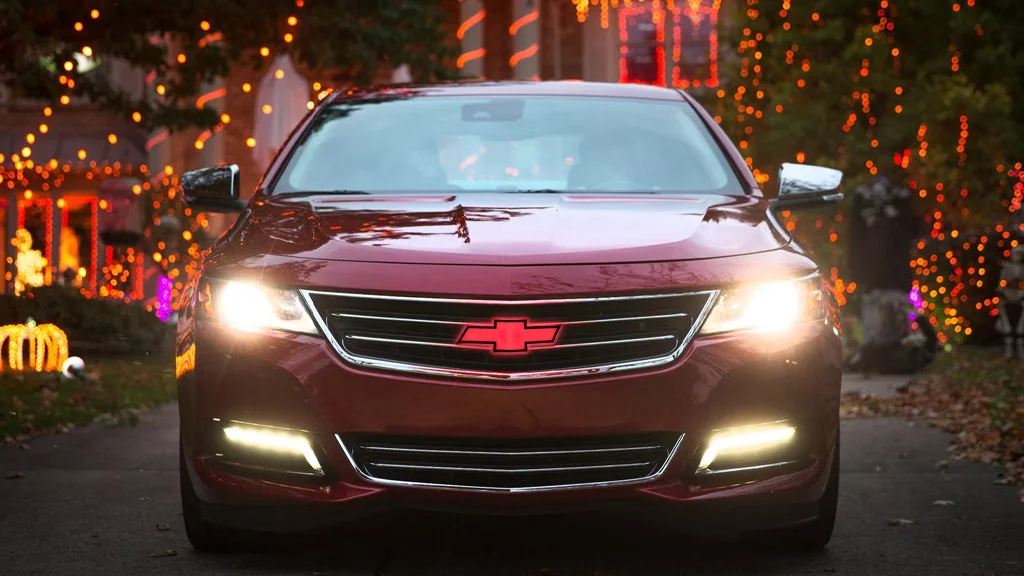
That Cool Leaping Antelope Emblem
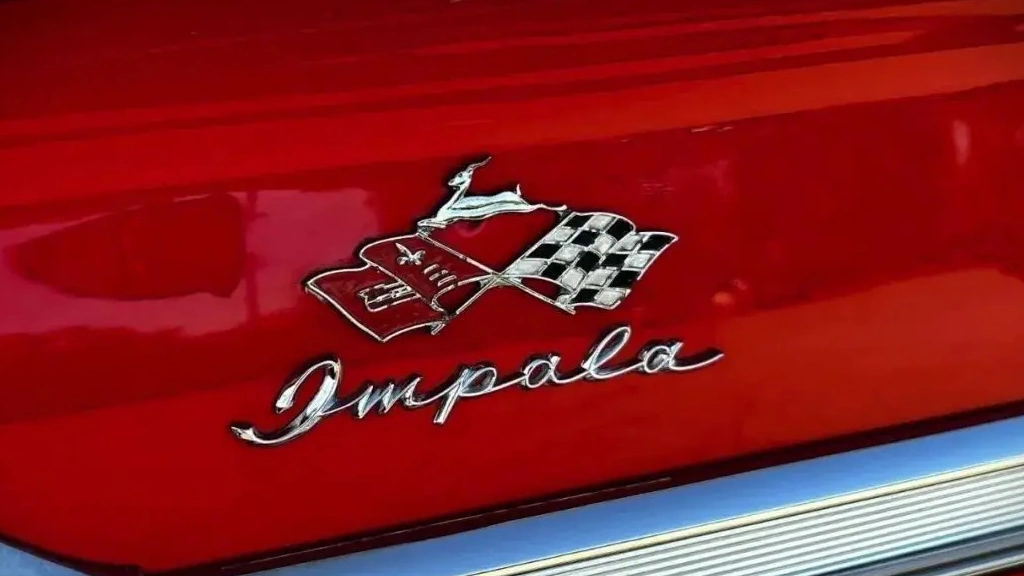
Here’s a fun detail: the Impala is one of only two Chevrolets—the other being the Corvette—to have its own unique emblem alongside the bowtie.
That leaping antelope has evolved over the years. Early versions looked almost plump. Later models got a more muscular, streamlined animal. And on the 2014 redesign, it looked genuinely modern and aggressive.
If you’re into personalizing your ride, you can even find LED illuminated versions of that emblem for later models. It’s a subtle touch, but it makes the car feel special after dark. Alternatively, modifying your Impala with an illuminated Chevrolet emblem or a custom illuminated Impala emblem would also be quite interesting.
The Bottom Line: Should You Buy One?
If you’re in the market for a used sedan that offers:
- Massive interior space
- Genuine highway comfort
- Solid reliability (especially 2014 and up)
- Respectable fuel economy for its class
- A genuine piece of American automotive history with government and fleet cred to boot
…then yeah, the Chevrolet Impala deserves a spot on your list.
Just do your homework. Check service records. Look for well-maintained examples. And maybe set aside a little budget for the occasional electrical hiccup.
But overall? The Impala earned its reputation the old-fashioned way: by being a solid, comfortable, dependable car that millions of Americans—and thousands of cops, sales reps, and rental customers—trusted for decades.
In a world where sedans are disappearing fast, that’s worth remembering.