


Owning a vintage Pontiac is all about balance: you want that classic vibe, but you also want it to run reliably enough to actually enjoy driving it. Here’s a practical, no-nonsense guide to keeping your Pontiac happy on the road and at car shows.
Basic Maintenance
Think of this as your monthly and seasonal checklist. It’ll help you catch small issues before they become big (and expensive) problems.
1) Fluid health
- Engine oil: Check level monthly. Use the grade recommended in your manual, and consider a high-mileage or classic-friendly oil if your car is older. Don’t skip oil changes; 3,000 miles is a common baseline for older engines, but follow your owner’s manual or consult a classic car mechanic.
- Coolant: Look for color, level, and leaks. Flush and replace as recommended, but for many Pontiacs of yesteryear, a 50/50 mix with distilled water works fine.
- Brake fluid & power steering: Check levels and look for dark or gritty fluid. Replace as needed and bleed if you notice spongy brakes.
- Transmission & differential fluids: If you have a manual or older automatic, keep an eye on leaks and fluid color. Change per manual or every couple of years if you’re unsure.
2) The simple, regular checks
- Belts and hoses: Look for cracks, fraying, or hardening. Replace if anything looks suspicious.
- Battery: Clean terminals, check for corrosion, and test voltage. If you frequently need a jump, it might be time for a replacement or a better charging system.
- Tires: Inspect tread, sidewalls, and check inflation. Vintage Pontiacs respond well to correct tire size and a modern radial with the right load rating.
- Lights & wipers: Ensure all bulbs are working and replace worn wipers for safe night driving.
3) Tune-ups that matter
- Spark plugs and Cap/Rotor: Old plugs foul easily; replacing them with the recommended heat range for your engine can wake it up.
- Carburetor or fuel system: If you’ve got a carbureted Pontiac, it might need periodic cleaning or re-tuning. Modern fuel can gum up older carbs, so consider a fuel system cleaner and a tune from a pro if you’re not comfortable DIY.
- Air filter: A clean filter helps performance and fuel economy.
4) Storage and seasonal care
- Garage space: If possible, store in a dry, climate-controlled area. Humidity can lead to rust and mold.
- Rust prevention: Keep up with rust treatment on body seams and undercarriage. A light coat of wax or corrosion inhibitor can help, especially in salty environments.
- Cover or use a car cover: If you’re parked outside, a breathable cover can protect from sun and debris, but make sure it doesn’t trap moisture.
Upgrades
Upgrades let you enjoy your Pontiac more while keeping the classic look. Here are practical approaches that respect the vintage vibe.
1) Reliability upgrades (without changing the soul)
- Modern electrical basics: A quality alternator, upgraded charging system, and clean grounding can reduce electrical gremlins on long drives.
- Brake improvements: Upgrading to discs on the front (if compatible) or at least upgrading pads and rotors to modern compounds can dramatically improve stopping power without altering the look.
- Fuel system improvements: An electronic fuel pressure regulator or a modern fuel pump (matched to the carb or EFI) can improve cold starts and overall reliability.
- Ignition upgrades: A reliable distributor, an electronic ignition conversion, or at least high-quality ignition wires and plugs designed for older engines.
2) Comfort and drivability
- Suspension tweaks: Poly bushings or modern shocks can soften the ride while keeping the vintage stance.
- Cooling upgrades: A better radiator, fans, and a properly sized cooling system reduce overheating in hot climates.
- Exhaust: A tasteful upgrade that improves flow without making the car obnoxiously loud.
3) Aesthetics that don’t scream “late model”
- Wheels and tires: Classic-style wheels with modern radials can transform handling and safety while preserving the look.
- Interior touches: Quality reproduction or refurbished dash components, seats, and carpeting maintain the vibe without sacrificing comfort.
- Sound system: A discreet modern radio with Bluetooth, hidden speakers, or a vintage-look head unit can offer modern connectivity without sacrificing old-school charm.
Modifications (mind the line between restoration and custom)
If you’re aiming for a restomod that respects the Pontiac’s heritage, plan carefully.
- Define your goals: Daily driver? Weekend cruiser? Show car? This shapes your choices.
- Keep signature elements: Grille, chrome, Badges, and the overall silhouette matter. You can modernize under the skin while keeping the exterior recognizable.
- Safety first: Modern seat belts, better lighting, and a reliable brake system can coexist with vintage styling.
- Documentation: Keep track of all changes. If you plan to sell later, meticulous records help value and trust.
A common, balanced approach is to upgrade the drivetrain and brakes for reliability while preserving the body, interior, and exterior styling. Think restomod-light.
Decorations
This is where you get to have fun and show personality without changing the car’s core character.
- Vinyl and graphics: Subtle pinstriping, period-correct decals, or a tasteful custom logo can give it character.
- Interior flair: Vintage-style seat covers, small wooden accents, or period-appropriate shift knobs can refresh the cabin.
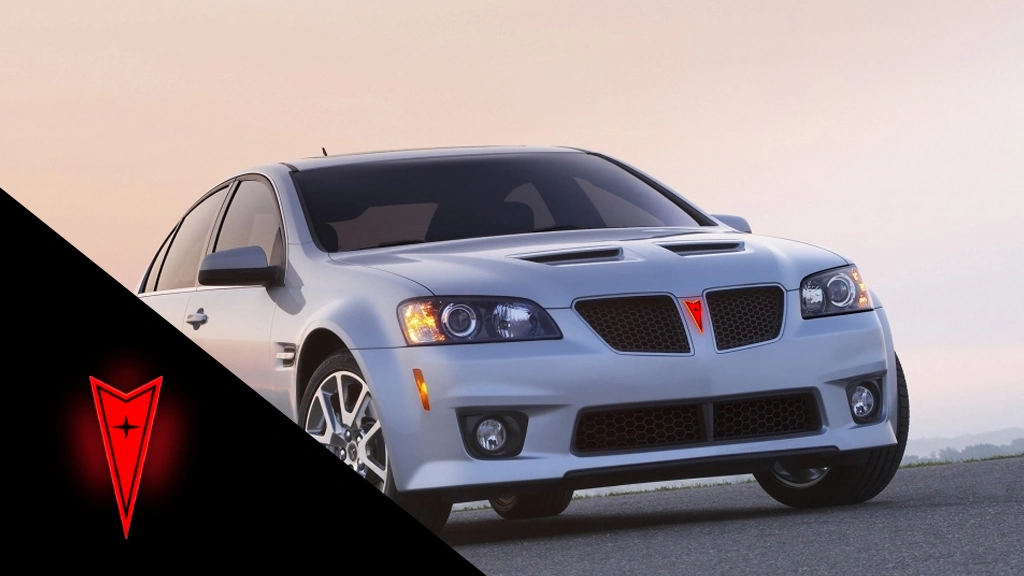
- Lighting accents: A neon grille Pontiac emblem or carefully chosen LED bulbs inside the classic housings can modernize visibility without overpowering the classic look.
- Display touches: A vintage photo, a retro badge, or a small plaque about the car’s history can be a great talking point at shows.
- Maintenance-friendly décor: A clean engine bay with color-matched hoses and tidy wire looms isn’t decoration for show—it makes maintenance easier and extends life.
Quick-start checklist for your next weekend project
- Pick a goal: reliability, show, or daily driver.
- Inspect: fluids, belts, hoses, tires, lights.
- Tidy the engine bay: clean, label, and secure wires.
- Upgrade one area: choose brakes, cooling, or ignition.
- Decide on storage: indoor space or breathable cover.
- Enjoy the drive: take a short, scenic ride and see what you notice.
If you want, I can tailor this to a specific Pontiac model (Firebird, GTO, Tempest, Catalina, etc.), year range, or your budget. Tell me:
- Which model and year you’re working with
- Your location (for climate and salt considerations)
- How you mainly use the car (daily driver, show car, weekend rides)
- Any must-have upgrades or look you’re aiming for
I’ll customize the guide with a model-specific maintenance schedule, parts recommendations, and a rough cost outline.