
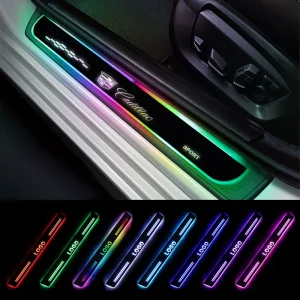
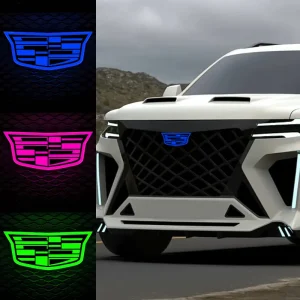
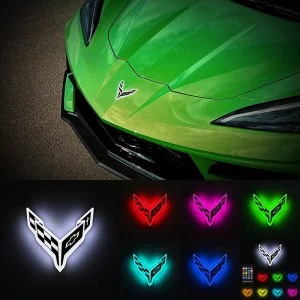
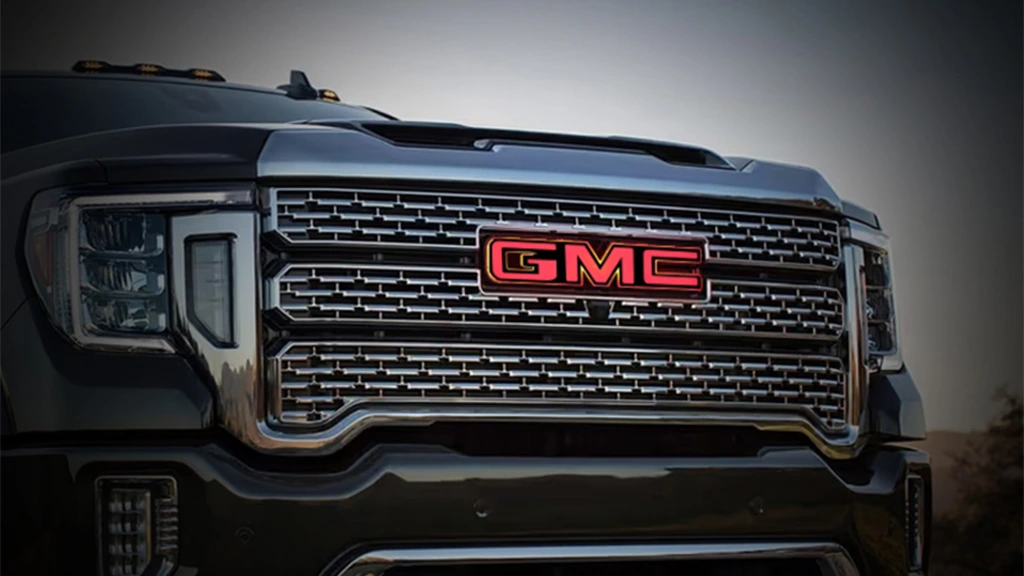
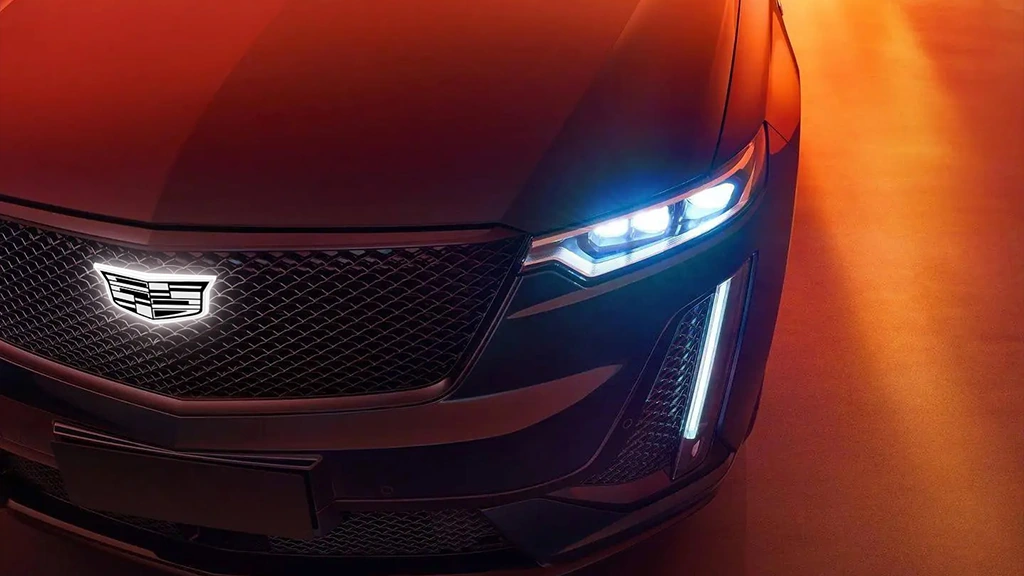
You’re looking at that glowing emblem for your car—maybe crisp white, ice blue, or even color-changing RGB. It looks incredible. But before you click “buy,” there’s one question you need to answer: Is it even legal where you live?
The short answer: it depends on your state, the color you choose, and where you mount it.
Let’s break down the rules so you can upgrade your ride without worrying about a ticket.
The Federal Baseline (What the Whole Country Follows)
Before we get into state laws, here’s what the federal government says. The National Highway Traffic Safety Administration (NHTSA) sets the rules for how cars come from the factory. Under federal standards, original vehicle lighting can only be red, amber, or white . No blue. No green. No purple. No pink. Those colors are reserved for emergency vehicles or simply not allowed .
That’s the federal baseline. But here’s the catch: state law determines what you can add to your car after you buy it .
The NHTSA itself says: “The legality of modifications by vehicle owners is generally determined by laws of the jurisdiction where a vehicle is registered and/or operated” .
So once you start customizing, you’re playing by state rules.
The Color Rules That Apply in Nearly Every State
After reviewing state laws across the country, a clear pattern emerges. Almost every state follows the same basic principles:
Front of vehicle
Colors Generally Allowed: White, amber, yellow
Colors Generally NOT Allowed: Red, blue, green, pink
Rear of vehicle
Colors Generally Allowed: Red, amber, white (license plate/backup only)
Colors Generally NOT Allowed: Blue, green, pink
Any location
Colors Generally Allowed: Solid white/amber/red
Colors Generally NOT Allowed: Flashing, strobing, or rotating
Arizona: “Lights visible from the front of a vehicle shall be amber or white” . Red or blue light visible from the front is specifically prohibited for non‑emergency vehicles . Indiana: Prohibits blue or green lights on vehicles except in specific circumstances, limiting private vehicles to amber, red, white, or yellow . New Jersey: Front lights must be “substantially white, yellow or amber in color,” while rear lights and reflectors must be red (with limited exceptions) .
These aren’t isolated examples. They represent the general rule across the United States.
The Red Front Light Rule (The Big One)
This is the most important law to understand: you generally cannot display red light visible from the front of your vehicle unless you’re an emergency vehicle.
California’s vehicle code makes this clear. In Section 25400, the law states: “Any diffused nonglaring light shall not display red to the front, but may display other colors” . Under the state’s lighting restrictions (Section 25950), light visible from in front of a vehicle must generally be “white or yellow” .
Arizona’s law mirrors this: “Except as provided… a person shall not drive… a vehicle on a highway with a lamp… that is capable of displaying a red or red and blue light or lens visible from directly in front of the center of the vehicle” .
Michigan law also requires rear‑facing lights to be red, with specific exceptions for stoplights and turn signals .
What this means for you: If you mount a red illuminated emblem on your front grille , you’re almost certainly violating state law. Law enforcement may pull you over, and you could face a ticket.
White, amber, or ice blue? Generally fine on the front. Red? Save it for the rear.
Which Colors Are Safest?
White (Safest Choice ✅)
White is the universal safe choice. Front, rear (as license plate or backup light), anywhere—white is almost always legal. If you want a clean, factory, luxury look that won’t get you pulled over, white is your color.
Ice Blue (Generally Safe But Check Local Rules ⚠️)
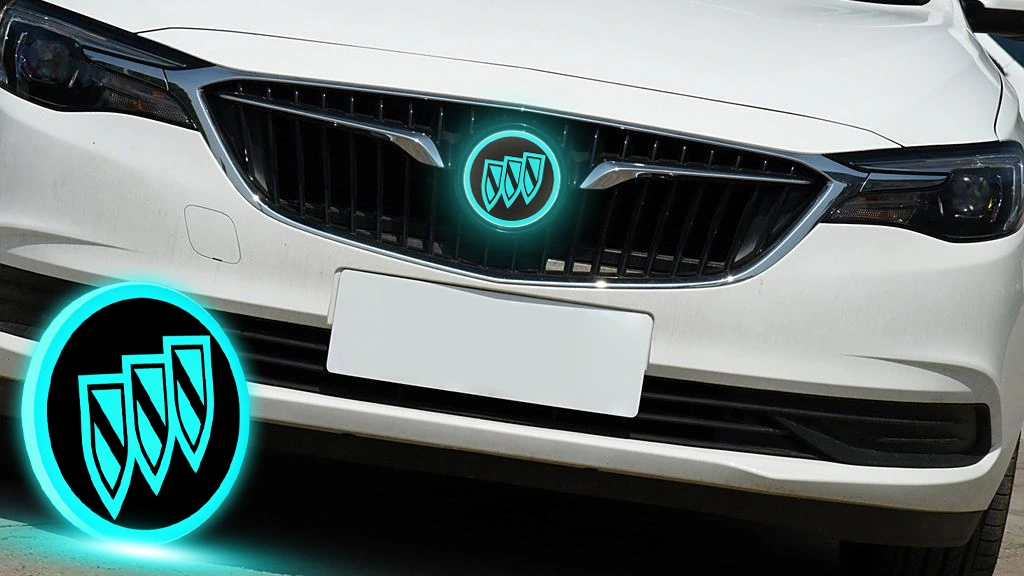
Ice blue falls into a gray area. While many aftermarket emblems offer “ice blue” as a subtle variation of white, technically most states require white or amber to the front. Some owners report no issues; others get warnings. The safest approach is to choose pure white unless you’ve checked your local laws. If you’re going to push the boundary, ice blue is the safest of the “color” options because it’s still light‑colored.
Amber / Yellow (Safe & Often Overlooked ✅)
Amber is a fully legal forward‑facing color. While less common for emblems, amber gives a unique, almost vintage motorsport vibe that’s 100% compliant.
Red (Front: Illegal ❌ | Rear: Safe ✅)
Red to the front is a ticket waiting to happen. Red to the rear? That’s factory spec. If you want a red illuminated emblem, mount it on the rear of your vehicle where red light belongs.
Color‑Changing / RGB (Front: Illegal ❌)
Any kit that includes red or blue in the color rotation is illegal to use while driving on public roads if those colors are visible from the front. You can own it. You can use it at car shows or on private property. But on public roads? Keep it set to white or amber.
Other Rules to Watch For
Don’t Cover Required Lights
In California, a diffused light (like an illuminated emblem) cannot be installed within 12 inches of any required lamp or in a position that interferes with its visibility or effectiveness . So don’t mount your glowing badge right next to your headlight or turn signal.
No Flashing (Unless You’re an Emergency Vehicle)
Flashing, strobing, or rotating lights are almost always restricted to emergency vehicles, school buses, construction equipment, or hazard warnings. If your color‑changing kit includes flashing modes, don’t use them on public roads.
Keep It Dim Enough
Some states, like California, specify brightness limits. A diffused non‑glaring light cannot exceed 0.05 candela per square inch of area . That’s roughly the brightness of a standard interior map light. Your emblem should provide a soft glow—not blast like a headlight.
Practical Recommendations
Now that you know the rules, here’s how to stay legal while getting the look you want:
Your Goal: Maximum safety, no risk
Recommended Color: White
Mounting Location: Front or rear
Your Goal: Subtle custom look
Recommended Color: Ice blue
Mounting Location: Front (check local rules first)
Your Goal: Sporty / vintage vibe
Recommended Color: Amber
Mounting Location: Front
Your Goal: Aggressive / performance look
Recommended Color: Red
Mounting Location: Rear only
Your Goal: Show car / private property
Recommended Color: RGB color‑changing
Mounting Location: Any (switch to white/amber for street)
If you want red or blue, mount those emblems on the rear of your vehicle where they belong. Many owners install a white illuminated badge on the front grille and a matching red badge on the trunk or tailgate. This gives you a coordinated look that’s fully legal.
The Bottom Line
So, is installing an illuminated car emblem legal in your state? Yes—if you choose the right color for the right location.
White, amber, or ice blue to the front. Red to the rear. Save the color‑changing RGB for the driveway and car shows. Flashing lights? Leave those to the professionals.
Your car, your style, your glow. Just make sure it’s legal before you light it up.